Entradas del blog
No más caos: Los errores de colaboración más comunes y cómo la norma ISO 19650 busca solucionarlos
- Por Marcella Santos
05 Mar
No más caos: Los errores de colaboración más comunes y cómo la norma ISO 19650 busca solucionarlos
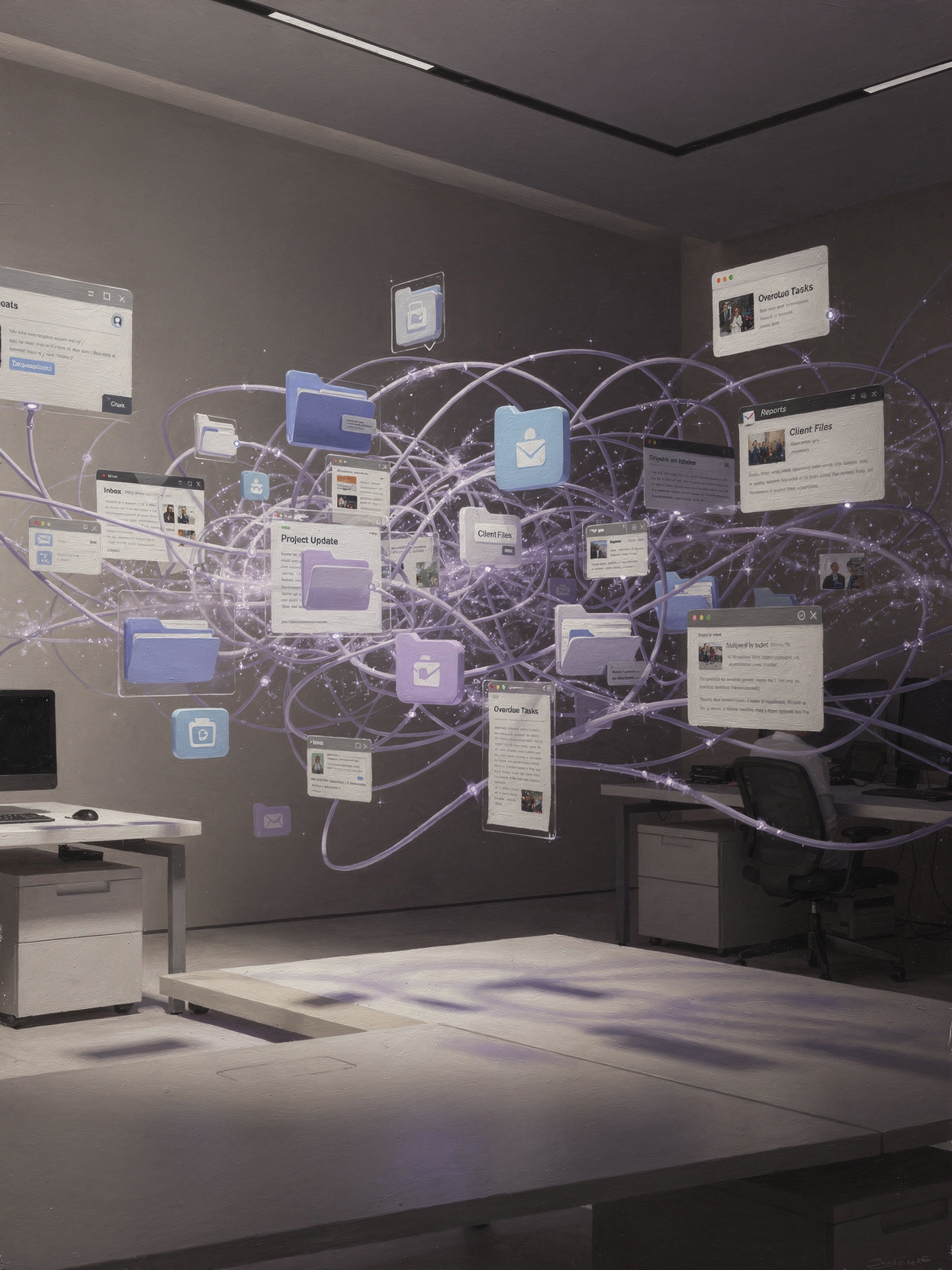
If the question “Do you know which version of the model to use today?” causes hesitation in your team, you are experiencing the real cost of non-compliance in information management. The efficiency promise of Building Information Modeling (BIM) is systematically compromised, not by software inability, but by the failure to apply a robust data management protocol.
In the technical project environment, inconsistency in information equals risk. The international standard ISO 19650 is the mandatory framework aimed at eliminating this uncertainty, establishing rigorous processes for the information life cycle. The central pillar of its application is the Common Data Environment (CDE), the platform where the project information is organized and controlled.
In this article, we will analyze the collaboration errors that frequently place project delivery in non-compliance with ISO 19650, exploring the technical impact of each failure in depth.
- Lack of a Single Point of Truth (CDE) The fundamental requirement of ISO 19650 is the creation of a Single Point of Truth. When project management resorts to generic and non-integrated tools (email for models, Google Drive for requirements, and WhatsApp for decisions), authority control over information is lost. Technically, the team fails to establish a single repository. Thus, the absence of a centralized repository prevents unified revision management and traceability of the last validated version.
- Compliance requires the adoption of a CDE that acts as the singular host for all information. This platform must ensure information accessibility and authority, being the sole source for extracting the latest version of the project.
- Ineffective Management of Information Sharing One of the most costly errors occurs when models are accessed by the wrong people at the wrong time, generating rework. In an ISO 19650 environment, information must be segmented. If a contractor has access to a folder containing “work in progress” files, they might base their work on unvalidated data.
- Compliance requires a clear separation of information through file sharing and controlled permissions. Access must be restricted: while the design team works in their specific environment, external partners or builders should only have access to the final, validated project folder. This ensures that the construction team only uses information that has been specifically cleared for them.
- Non-Standardized Naming (Naming Convention) Naming files in a standardized way is crucial for organization. When each team adopts its own naming convention, the project management system breaks. The lack of a standard naming string makes it difficult to find the correct file and prevents the CDE from performing automatic data recognition, making model federation and report extraction ineffective.
- ISO 19650 specifies that naming must be structured. Compliance is achieved when the team follows a standardized structure that allows anyone to identify the content, origin, and version of a file just by its name.
- Imbalance in the Level of Information Many teams fail to deliver the right amount of information at the correct project phase, either over-modeling or delivering insufficient data. This creates an imbalance between modeling effort and the actual value of the information delivered. Without a clear guide, the team might spend time on details that aren’t necessary for that specific stage of the project.
- Compliance requires that information requirements be managed clearly, ensuring that deliverables meet the specific needs of the client and the current project phase.
- Fragmented Issue Management Managing problems (conflicts, clashes, RFIs) separately from the project repository prevents the traceability of decisions. When clashes are reported via spreadsheets or email, disconnected from the models, there is no guarantee that the identified problem was corrected in the latest version.
- The CDE must be the hub for problem management, ensuring that every issue identified is documented and linked to the relevant project information to ensure a complete audit trail.
Conclusion
Failure in BIM projects is rarely due to technical capacity, but rather process management. ISO 19650 is the quality framework your project needs, and adopting a specialized CDE is the path to sustainable compliance.
Lugar de trabajo BIM was developed to go beyond a simple repository. It is an information management platform that facilitates ISO 19650 compliance, ensuring:
- Single Point of Truth with rigorous access control.
- Organized Structure using file sharing and controlled permissions to protect information.
- Consistent Naming to ensure data integrity.
- Integrated Issue Management for total traceability.
Stop fighting against the chaos of fragmented information. Bring your project’s Information Management to the international standard.
Want to see the BIMworkplace CDE in action? Schedule a demo and see how we transform ISO 19650 compliance into an intuitive process.
Archivos
Categorías
Entradas recientes
- No más caos: Los errores de colaboración más comunes y cómo la norma ISO 19650 busca solucionarlos
- Caos de versiones en BIM: el riesgo invisible que compromete el margen, el cronograma y la gobernanza
- Gestión de incidencias BIM para gestores BIM: cómo BIMWorkplace simplifica la coordinación
- Plataforma de retroalimentación BIMWorkplace: Transformando los comentarios de los usuarios en innovación
- Simplificando el cumplimiento de la norma ISO 19650-1 con BIMWorkplace


