BIM Execution Plan: Why Every BIM Manager Needs One to Succeed
Learn how a BIM Execution Plan improves coordination, reduces rework, and ensures consistent BIM project delivery.
BIM Execution Plan: Why Every BIM Manager Needs One to Succeed
In today’s digital construction environment, coordination without a clear structure often leads to delays, errors, and unnecessary rework. As BIM adoption grows, the need for standardized processes becomes increasingly critical.
This is where the BIM Execution Plan (BEP) plays a central role. More than just a document, it is a strategic framework that defines how BIM is applied across all project phases. For BIM Managers, it is not optional, it is essential.
What Is a BIM Execution Plan?
A BIM Execution Plan (BEP) is a structured roadmap that outlines how BIM will be used, managed, and delivered throughout a construction project. It ensures alignment between stakeholders by defining clear standards, workflows, and responsibilities.
Regardless of project scale, a well-defined BEP establishes consistency from the outset, ensuring that all teams operate under the same expectations and data requirements.
Core components of a BEP include:
Modeling standards and level of detail (LOD)
Roles and responsibilities across teams
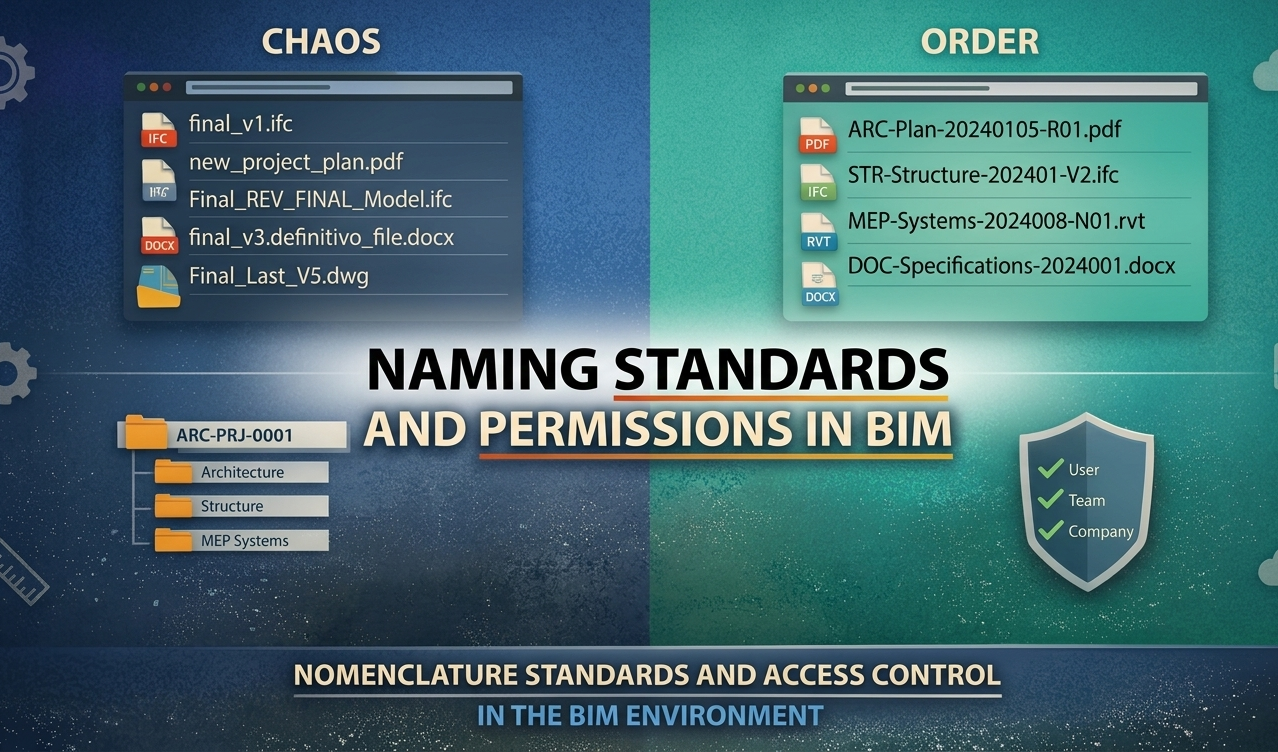
File naming conventions and data structures
Coordination workflows and clash detection processes
Technology stack and tools
Information exchange requirements
Why It Matters for BIM Managers
For professionals responsible for BIM coordination, the BEP is a critical management tool. It provides clarity on how teams should collaborate and ensures that project requirements are consistently met.
It also addresses key operational questions that directly impact project performance.
A BEP helps define:
Who is responsible for modeling each discipline
Which standards must be followed
How often coordination and clash detection occur
What data is required at each project stage
Without a BEP, teams often work with inconsistent assumptions, leading to misalignment, inefficiencies, and costly rework.
Key Benefits of a BIM Execution Plan
Implementing a BEP delivers measurable improvements across project coordination and execution.
Consistency across teams: Standardized processes reduce ambiguity and errors
Improved collaboration: Clear roles and workflows enhance team coordination
Reduced risk and rework: Defined validation processes improve model quality
Regulatory alignment: Supports compliance with standards such as ISO 19650
Better decision-making: Provides a reliable single source of truth
Best Practices for Developing a BEP
To maximize the effectiveness of a BEP, it should be developed collaboratively and maintained throughout the project lifecycle.
Recommended practices include:
Start early during the design phase to establish a solid foundation
Engage all stakeholders to ensure alignment across disciplines
Use structured templates to avoid gaps and ensure completeness
Prioritize clarity so that all team members can easily follow the plan
Update regularly as project requirements evolve
Download Your BIM Execution Plan Checklist
To support implementation, a structured checklist can help ensure that no critical element is overlooked. From data organization to coordination protocols, having a practical reference simplifies execution.
This type of resource is especially valuable for BIM Managers, Coordinators, and project teams aiming to improve alignment, reduce risks, and deliver consistent results.
Conclusion
A BIM Execution Plan is a foundational element of any successful BIM strategy. It brings structure to complex workflows, aligns teams, and ensures that information is managed effectively across all project stages.
For BIM Managers, investing in a well-defined and actively maintained BEP is one of the most effective ways to improve coordination, reduce inefficiencies, and achieve predictable project outcomes.
Ready to see BIMWorkplace in action?
Centralize your project, your team, and your data in one platform built for AEC.
Get BIM insights in your inbox
Practical articles, product updates, and AEC best practices. No spam.