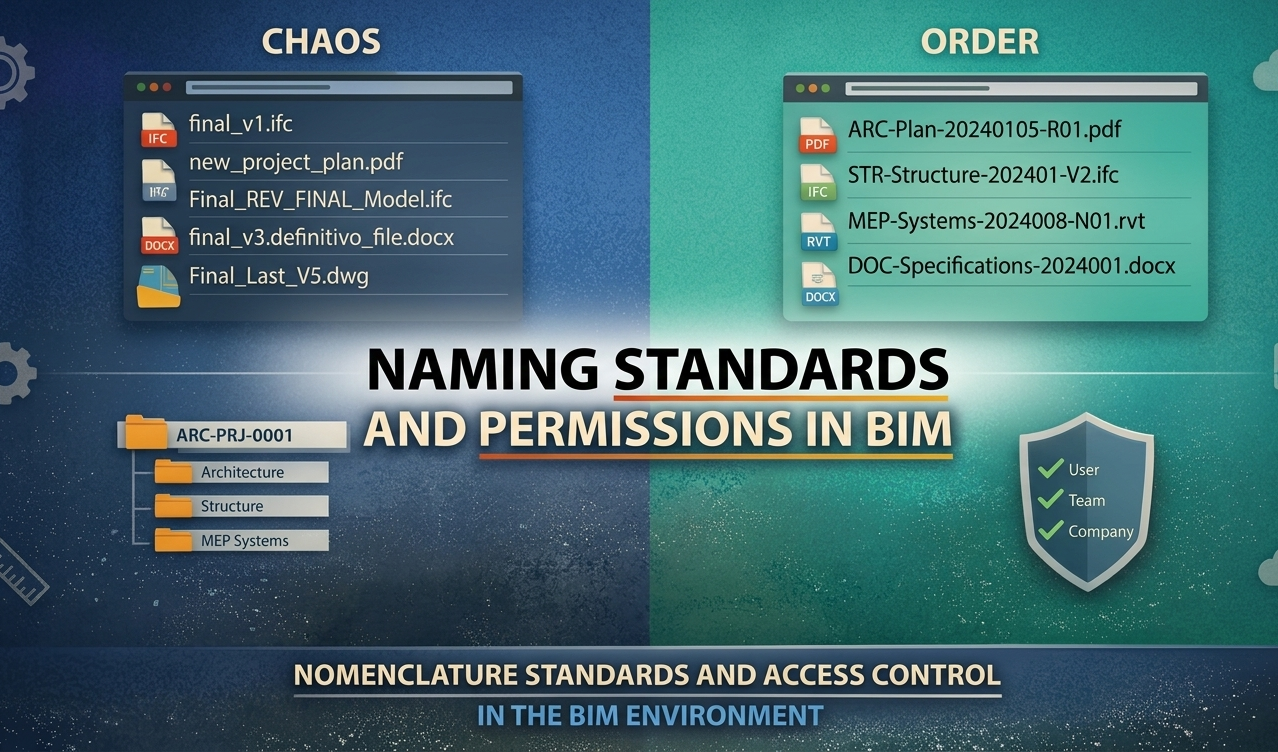
Effective BIM Collaboration: From Chaos to Coordination
Discover strategies to improve BIM collaboration, reduce rework, and align multidisciplinary teams for better project outcomes.

Effective BIM Collaboration: From Chaos to Coordination
BIM collaboration is no longer optional. As projects become more complex and multidisciplinary, the ability to coordinate effectively is critical to delivering quality outcomes.
However, many AEC professionals still face challenges such as disconnected tools, unclear responsibilities, and version control issues. These obstacles reduce efficiency, delay decisions, and increase rework. This article explores the main barriers and outlines practical strategies to achieve effective BIM collaboration.
Why Effective BIM Collaboration Still Fails
Despite widespread adoption of Building Information Modeling, collaboration challenges remain common across projects.
Disconnected teams and tools: Different platforms and standards create misalignment
Version control issues: Lack of structure leads to overwritten or outdated models
Slow issue resolution: Design conflicts are not addressed early
Unclear responsibilities: Tasks lack ownership, delaying decisions
Lack of traceability: Difficulty tracking changes and progress over time
Without a structured approach, collaboration becomes reactive rather than controlled.
7 Strategies for Effective BIM Collaboration
1. Start with a BIM Execution Plan (BEP)
A BIM Execution Plan defines how collaboration will work from the start. It establishes modeling standards, workflows, responsibilities, and data requirements.
Align all stakeholders early in the process
Define clear objectives and deliverables
Standardize naming conventions and workflows
2. Centralize Models in a Common Data Environment (CDE)
A Common Data Environment ensures that all teams access the same, up-to-date information. It eliminates duplication and reduces communication gaps.
Organize data by discipline and project phase
Maintain clear version histories
Ensure controlled access and permissions
3. Track Issues Visually and Collaboratively
All coordination issues should be documented and managed in a structured way. Visual tracking improves clarity and speeds up resolution.
Create standardized issue templates
Assign responsibility and priority
Include visual references such as viewpoints or screenshots
4. Define Clear Roles and Responsibilities
Accountability is essential for effective collaboration. Each task should have a clearly assigned owner.
Define roles at the beginning of the project
Assign ownership to every coordination issue
Avoid shared responsibility without clear leadership
5. Run Data-Driven Coordination Meetings
Regular coordination meetings ensure alignment, but they must be structured and focused on real data.
Use dashboards to track progress and issues
Limit meeting duration and maintain focus
Document action items and follow-ups
6. Standardize Version Control Practices
Consistent version control prevents confusion and errors across teams.
Apply clear naming conventions
Maintain a changelog for all updates
Ensure teams follow the same upload protocols
7. Include All Stakeholders
Effective collaboration extends beyond design teams. Field teams, clients, and operators must also access relevant information.
Provide simplified views tailored to each role
Use dashboards for non-technical users
Ensure accessibility across devices
Conclusion
Effective BIM collaboration depends on three key elements: aligned teams, structured processes, and the right technology.
By implementing strategies such as a clear BIM Execution Plan, centralized data environments, and defined responsibilities, organizations can transform fragmented workflows into coordinated, efficient processes. The goal is not only better models, but better project outcomes.
Ready to see BIMWorkplace in action?
Centralize your project, your team, and your data in one platform built for AEC.
Get BIM insights in your inbox
Practical articles, product updates, and AEC best practices. No spam.