How BIM Contributes to Sustainability in Construction
Learn how BIM improves sustainability by reducing waste, optimizing resources, and enabling better decision-making in construction projects.
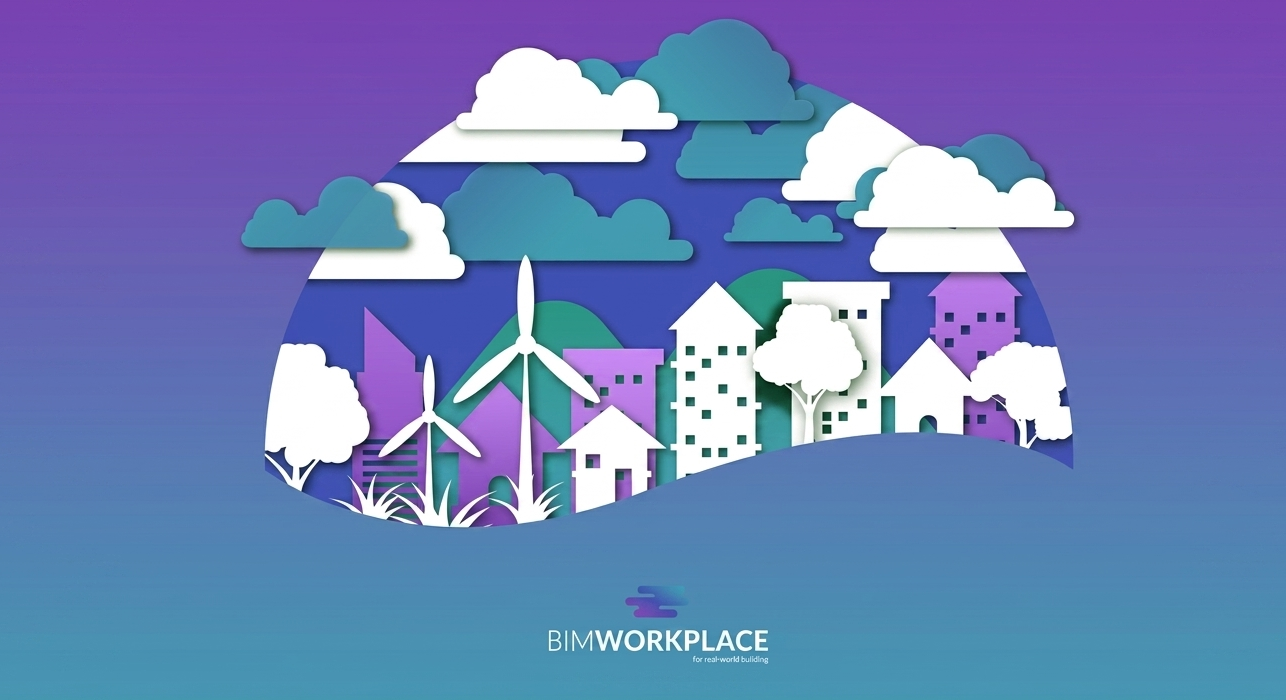
How BIM Contributes to Sustainability in the Construction Industry
Population growth is increasing the demand for infrastructure, placing additional pressure on natural resources and the environment. By 2050, the global population is expected to reach nearly 10 billion, intensifying the need for more efficient and sustainable construction practices.
As construction activity expands, so do greenhouse gas emissions, material consumption, and waste generation. In this context, Building Information Modeling (BIM) emerges as a practical approach to improve sustainability across the entire project lifecycle.
The Sustainability Challenge in Construction
The construction sector has long been associated with high environmental impact. This includes significant emissions, intensive use of raw materials, and large volumes of waste.
Regulatory pressure and market expectations are increasing. Companies are now required to demonstrate measurable improvements in environmental performance while maintaining efficiency and profitability.
The Role of BIM in Sustainable Construction
BIM (Building Information Modeling) enables a more controlled and data-driven approach to project planning and execution. By integrating information into a centralized model, it becomes possible to anticipate and mitigate environmental risks before construction begins.
This proactive approach supports better decision-making and reduces the likelihood of inefficiencies during execution.
Key Areas Where BIM Improves Sustainability
Reduction of material waste through accurate quantity takeoffs and planning
Lower emissions by optimizing construction processes and logistics
Minimization of rework through improved coordination and clash detection
Control of resource consumption, including energy and raw materials
Reduction of environmental impact related to noise, soil, and waste disposal
Lifecycle Analysis and Data-Driven Decisions
BIM supports the use of lifecycle assessment (LCA) tools, allowing teams to evaluate the environmental impact of materials and systems before implementation.
By using environmental product declarations (EPDs), project teams can compare materials based on sustainability criteria and select more efficient alternatives.
This level of analysis enables a shift from reactive to predictive environmental management.
From 3D Models to Multi-Dimensional Planning
BIM goes beyond geometric representation. While 3D models define shape and materials, BIM also enables higher dimensions of analysis, including time, cost, and sustainability factors.
This allows teams to access real-time technical information, improving planning accuracy and reducing the need for reactive decisions during construction.
The result is a more controlled process, with optimized use of resources and reduced environmental impact.
Conclusion
Sustainable construction is no longer a long-term ambition. It is a current requirement driven by environmental, regulatory, and economic factors.
BIM provides the tools to make sustainability measurable and actionable, enabling companies to improve performance while reducing environmental impact.
Adopting BIM is a strategic step toward building a more efficient and sustainable construction industry.
Ready to see BIMWorkplace in action?
Centralize your project, your team, and your data in one platform built for AEC.
Get BIM insights in your inbox
Practical articles, product updates, and AEC best practices. No spam.