Process Optimization in Construction: From Planning to Execution
Optimize construction processes from planning to execution using workflows, data, and BIM to improve productivity and reduce operational risks.

Process Optimization in Construction: From Planning to Execution
Process optimization in construction is a continuous priority for management and leadership teams. Structured and controlled workflows directly impact productivity, cost efficiency, and project outcomes.
In a fast-paced construction environment, decisions are often made under pressure. Without proper process control, these decisions can lead to delays, rework, waste, and reduced profitability. Systematic monitoring and optimization reduce these risks and improve execution consistency.
Why Process Optimization Matters
Construction projects involve multiple interdependent activities happening simultaneously. Without clear control, even small inefficiencies can escalate into significant issues.
When processes are optimized and actively monitored, teams are more likely to adhere to planning. More importantly, planning becomes dynamic, allowing early identification of risks and proactive adjustments before they impact execution.
Optimization goes beyond standardizing tasks. It involves measuring, quantifying, and continuously improving the construction lifecycle, generating value through efficiency and productivity gains.
5 Practical Ways to Improve Construction Processes
1. Create Workflow Templates for Each Role
A workflow defines the sequence of steps required to complete a task efficiently. Standardized workflows ensure consistency and reduce dependency on individual knowledge.
Align tasks with each professional’s role and expertise
Enable faster onboarding and role replacement
Reduce variability in execution
In a dynamic environment like construction, where activities are interconnected, structured workflows ensure continuity and control.
2. Continuously Analyze Team Processes
Ongoing analysis is essential to maintain process efficiency. Without it, inefficiencies remain undetected and propagate across project phases.
Evaluate performance indicators regularly
Identify bottlenecks and inefficiencies
Adjust strategies to maintain profitability
Post-phase evaluations are critical. They provide insights that prevent recurring issues in subsequent stages.
3. Organize Documentation by Construction Stage
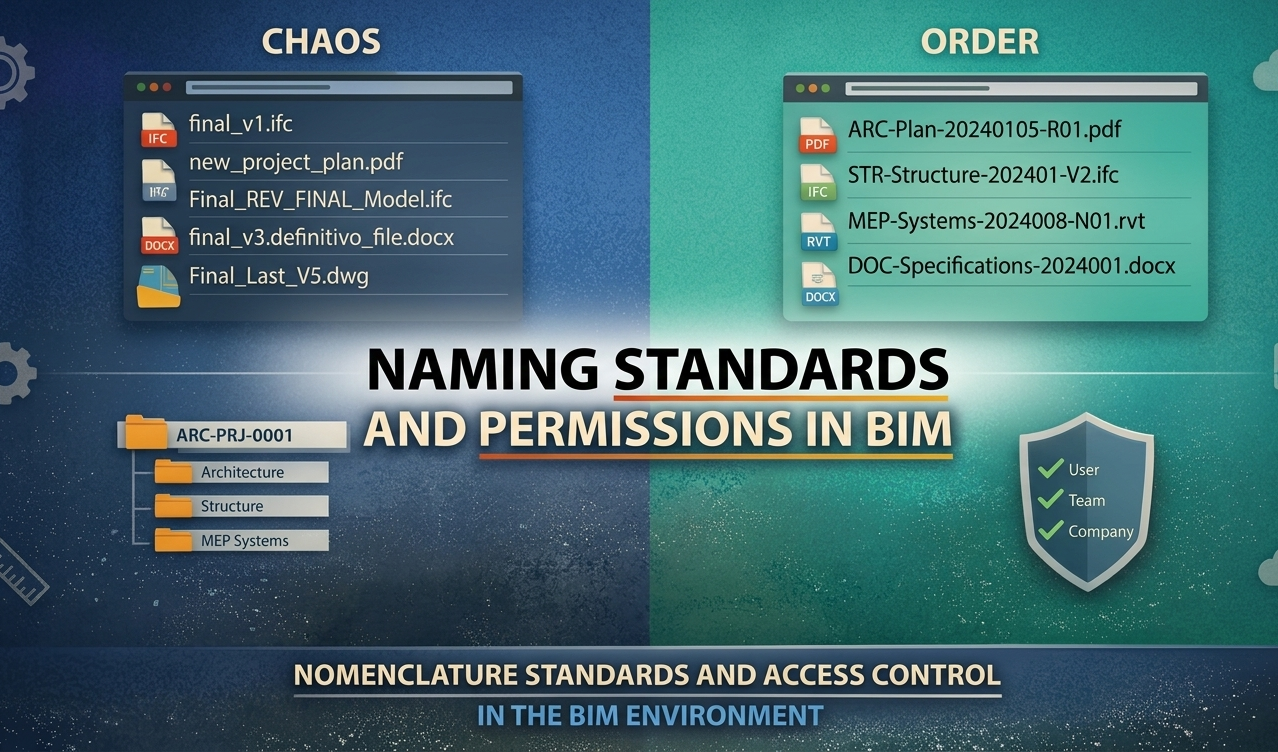
Construction projects generate large volumes of data. Without proper organization, critical information becomes inaccessible or unreliable.
Maintain structured records of all site activities
Ensure data supports planning and decision-making
Track progress against the initial schedule
Accurate and centralized data enables real-time visibility and informed management decisions.
4. Standardize Reporting Practices
Effective reporting ensures alignment across teams and provides a reliable record of project evolution.
Maintain updated and version-controlled planning
Ensure all stakeholders access the latest information
Document progress with dated and structured reports
Consistent reporting improves communication, accountability, and traceability.
5. Control All Construction Activities with BIM
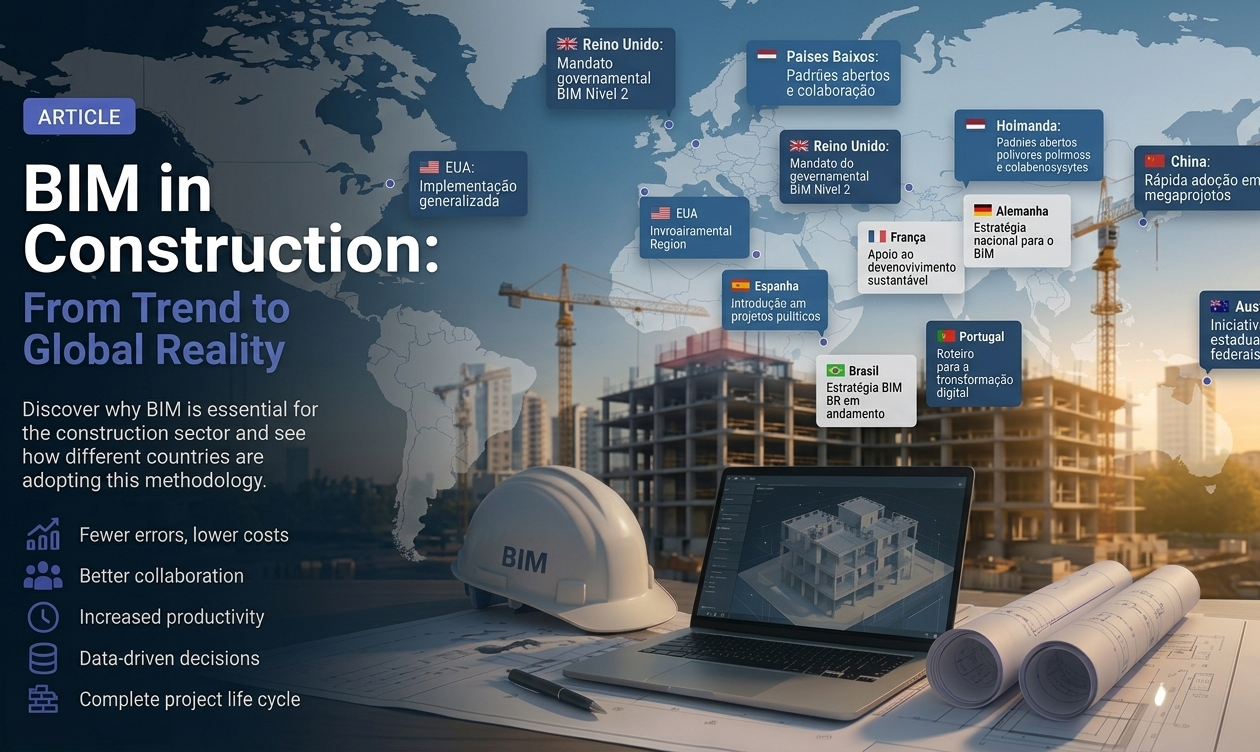
Managing all project activities without constant site meetings requires a centralized and reliable system. This is where BIM (Building Information Modeling) becomes critical.
BIM technologies enable:
Real-time visibility across all project phases
Early detection of risks and conflicts
Alignment with financial and operational planning
BIM management platforms also support document control, quantity takeoffs, cost estimation, and audit readiness ensuring compliance with financial, environmental, and safety requirements.
Given the frequency of audits in construction, maintaining controlled and transparent processes reduces exposure to risks and penalties.
Conclusion
Process optimization in construction is a structural requirement for efficiency and competitiveness. By implementing standardized workflows, continuous analysis, structured documentation, consistent reporting, and BIM-based control, companies improve productivity and reduce operational risks.
BIM is a foundational component of modern construction management, connecting planning and execution with reliable data and full process visibility.
Ready to see BIMWorkplace in action?
Centralize your project, your team, and your data in one platform built for AEC.
Get BIM insights in your inbox
Practical articles, product updates, and AEC best practices. No spam.