How BIMWorkplace Boosts Collaboration in Large-Scale Residential Projects: The Arco Verde Case Study
See how BIMWorkplace helped Arco Verde improve BIM coordination, resolve clashes, and strengthen collaboration in a large residential project.
How BIMWorkplace Boosts Collaboration in Large-Scale Residential Projects: The ArcoVerde Case Study
Large-scale residential projects depend on more than strong design intent. They require clear coordination, reliable information, and disciplined collaboration between architects, engineers, contractors, and project managers.
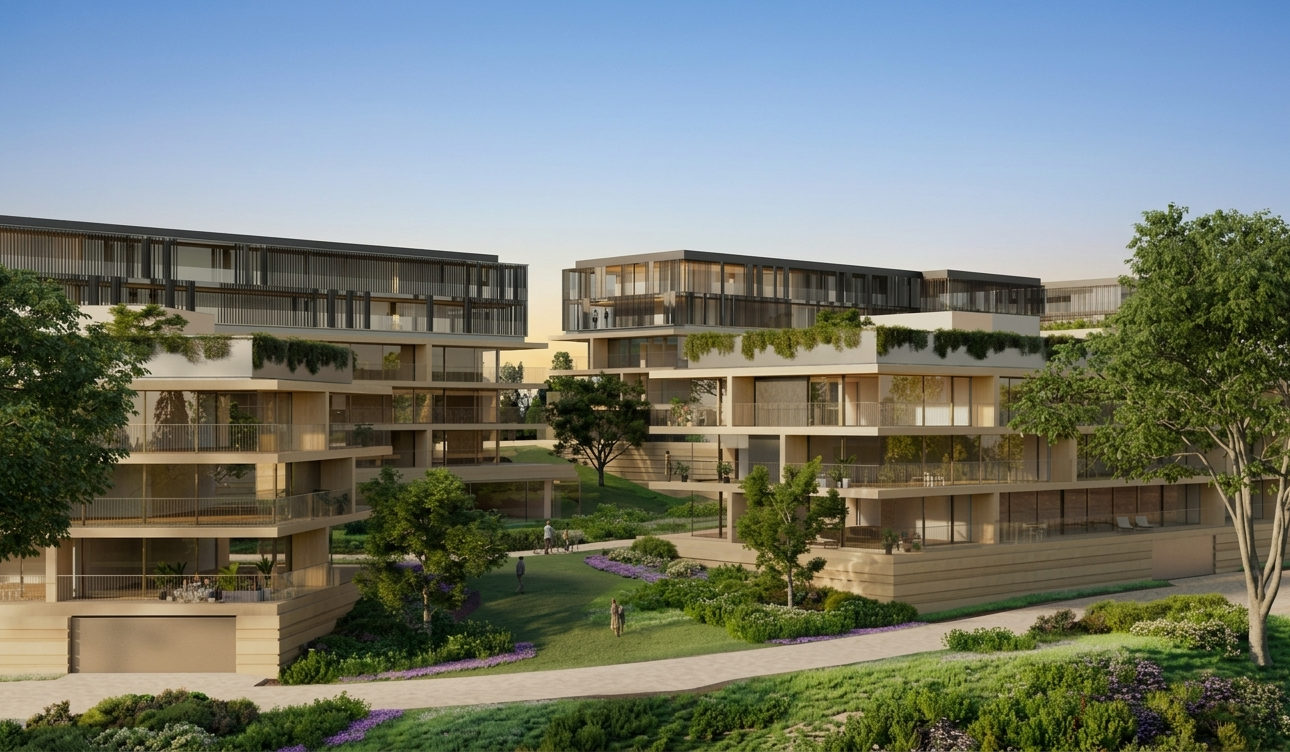
ArcoVerde is a residential development designed around a new way of living, fully integrated with nature and community. With 25,000 m² of built area, 7 lots, and 255 housing units, the project prioritizes biodiversity through extensive green spaces that bring nature back into the urban landscape.
Turning this vision into reality required a high level of technical coordination. In this context, BIMWorkplace became a key platform for improving collaboration, reducing coordination friction, and supporting better decision-making throughout the project.
The Challenge: Coordinating a Complex Residential Project
Like many large-scale construction projects, ArcoVerde involved multiple disciplines, models, teams, and decision points. Without a structured coordination process, this type of project can quickly face delays, duplicated work, and unresolved conflicts between design areas.
The main challenges included:
Rework caused by communication gaps between teams
Delays due to lack of alignment between disciplines
Time wasted identifying, tracking, and resolving design clashes
Difficulty ensuring that every team was working with the latest information
With several stakeholders involved, the project needed a centralized and traceable workflow. Traditional coordination methods, based on disconnected files, emails, and manual follow-ups, were not enough to guarantee the level of control required.
The Solution: BIMWorkplace as the Central Platform for BIM Collaboration
To improve coordination, the project team adopted BIMWorkplace as the main platform for BIM collaboration and issue management.
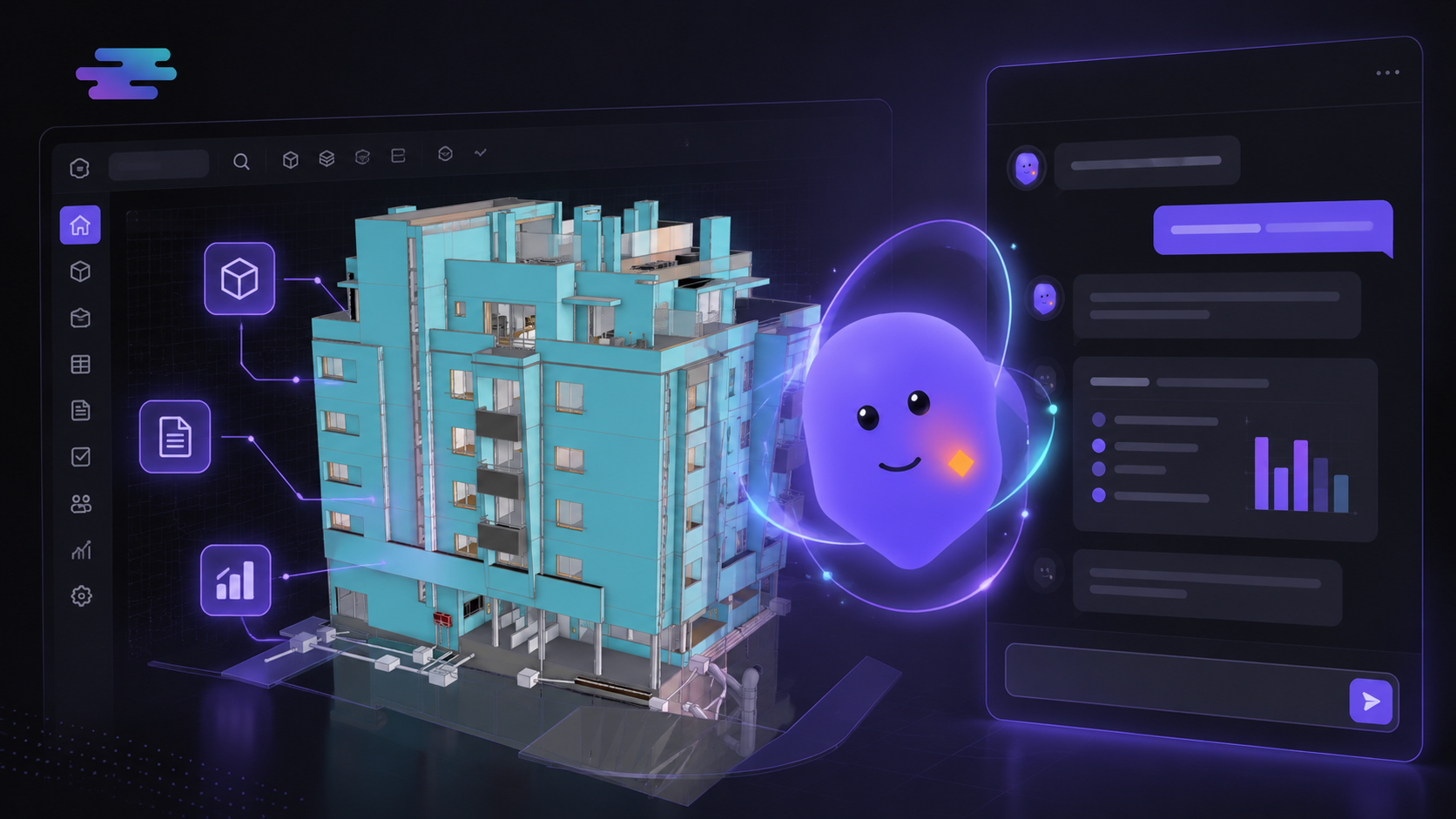
Using the Collaboration module, the team centralized model management, organized discussions, assigned responsibilities, and worked with shared views. This created a more transparent coordination environment where decisions, issues, and responsibilities could be tracked in one place.
Centralized Clash Management
Clash detection was carried out in Navisworks, and the identified clashes were imported into BIMWorkplace. From there, the platform converted them into structured topics that could be categorized, assigned, and monitored by the responsible teams.
This gave the project team full traceability of coordination issues, from detection to resolution.
Direct Integration With Revit
Through the BIMWorkplace plugin for Revit, designers could view and resolve clashes directly inside their authoring environment. This reduced the need to switch between tools and helped each team act faster within its existing workflow.
By connecting coordination issues directly to the design environment, BIMWorkplace made the resolution process more practical and efficient.
Visual Reviews and Design Improvements
Beyond automated clash detection, BIMWorkplace was also used to report visual inconsistencies and propose design improvements.
Through visual analysis, teams were able to identify risks, inconsistencies, and opportunities that automated checks alone would not capture. This added a human layer to the coordination process and helped improve the overall design quality.
Cloud-Based Collaboration
All coordination activities took place in a cloud-based environment, accessible to the teams involved in the project.
This allowed different professionals to work from a shared source of information, keeping everyone aligned, updated, and focused on resolving the right issues at the right time.
The Results: More Efficiency and Fewer Conflicts
With BIMWorkplace supporting the coordination workflow, the ArcoVerde project achieved measurable results from the first coordination cycles.
The main outcomes included:
75% of all design clashes were resolved before construction began
100% of critical clashes were resolved before construction
Potential rework and delays were reduced through early conflict resolution
Project decisions became more organized, logged, and traceable
Communication between teams became clearer and more action-oriented
Model review processes became more focused on the issues that truly mattered
These results positioned BIMWorkplace as an important tool for managing project information, improving collaboration, and supporting more reliable coordination in a complex residential development.
Project Team Feedback
“The platform was extremely useful for organizing and presenting the verified clashes. It helped support decision-making during the execution project coordination phase.”
João Anjos
Project Manager
Conclusion
The ArcoVerde case shows how BIMWorkplace boosts collaboration in a practical and scalable way for large residential projects.
By centralizing information, structuring issue management, connecting teams, and supporting traceable decision-making, BIMWorkplace helped the project team reduce coordination friction and improve control over the design process.
For large-scale AEC projects, collaboration cannot depend on scattered files, disconnected conversations, or manual tracking. It requires a shared digital environment where teams can work with clarity, accountability, and reliable project information.
BIMWorkplace provides that environment, helping teams coordinate better, reduce rework, and deliver projects with greater confidence.
Ready to see BIMWorkplace in action?
Centralize your project, your team, and your data in one platform built for AEC.
Get BIM insights in your inbox
Practical articles, product updates, and AEC best practices. No spam.